STUDIO X
Fixed price

Fixed price on custom development.

You should know what the project costs before development starts. That is why we usually offer a fixed price on custom apps, systems and portals once the scope is agreed. No running hours to worry about, no surprises on the invoice.

How fixed price works with us.

A fixed price is not a sales trick, it is a way of working. It demands discipline from us, and gives predictability to you.

01

The price is agreed before we start

Once the scope is agreed, you get a fixed price for the delivery. It stands throughout the project, regardless of how many hours we spend getting there.

02

The scope is described so both sides understand it

A fixed price works when both parties know what is being delivered. We describe the delivery in plain language, with clear acceptance criteria, before anyone signs.

03

Changes are open add-on orders

New ideas along the way are welcome, and they are handled properly: you get a price and scope for the change before you decide. The order is always yours to make.

04

The estimation risk sits with us

If something takes longer than we expected, that is our responsibility, not your budget. It gives us a strong incentive to plan well and develop efficiently.

05

You own the result

Ownership is agreed before signing, and in the vast majority of projects you own the source code. The solution is yours, not a licence you rent for as long as you pay.

06

Operations afterwards, further development when you want it

After launch we offer an operations agreement for an agreed monthly sum: support, security, minor updates and backups, hosted on Norwegian or EU/EEA-based cloud. Further development is ordered separately, in the direction you choose, usually at a fixed price.

The budget should not be the exciting part of the project.

Most people ordering a development project have heard a story about a budget that burst. That is often the real reason good projects never start: not the price, but the uncertainty around it.

A fixed price removes that uncertainty. The investment is known before you commit, it is easy to anchor with the board and management, and you can measure the gain against a number that stands still. We have delivered custom solutions to many clients on this model, across industries and project types.

Fixed price or time and materials?

Both models have their place, and which one fits depends on the task. Here is the sober comparison we use ourselves when clients ask.

Time and materials

Strengths

  • +Flexible when the scope is unknown
  • +Easy to start quickly
  • +Suits exploratory work

Trade-offs

  • The final cost is uncertain until the project is done
  • The estimation risk sits with the client
  • Requires closer tracking of spend

When it fits

When the task cannot be scoped up front, for example exploration or ongoing advisory work.

Fixed price

How we work

Strengths

  • +A known investment before development starts
  • +Easy to anchor with the board and the budget
  • +The estimation risk sits with the supplier
  • +Changes are visible as separate orders

Trade-offs

  • Requires the scope to be agreed first
  • Changes along the way must be ordered explicitly

When it fits

When you need something defined developed: an app, a system, a portal or an internal tool, and want to know what it costs.

What people ask about fixed price.

What does fixed price mean at STUDIO X?

That the price of the delivery is agreed before development starts, and that it stands throughout the project. The delivery is described in plain language with acceptance criteria approved by both parties. If something takes longer than we expected, that is our risk, not your budget.

How can you offer a fixed price on custom work?

Because the price is set after the scope is agreed, not before. We have delivered many custom apps, systems and portals, so the patterns are well known even though every project is unique. For small and mid-sized projects we can often give a fixed price directly on a good description of the need, for larger projects a pre-project can help clarify the scope before the price is locked.

What happens if we want changes along the way?

They are handled as add-on orders: you get a price and scope for the change, and decide whether it goes in now, later or not at all. That keeps changes tidy instead of letting them sneak onto the invoice.

Is fixed price more expensive than time and materials?

Fixed price is above all more predictable. Both models have their strengths, and time and materials can suit exploratory work well. The difference is where the risk sits: with a fixed price we carry the estimation risk, and you know the investment before you commit.

What do you need from us to give a fixed price?

A description of the need: what problem the solution should solve, who will use it, and which systems it should talk to. You do not need a finished requirements specification, we work out the rest together. Get in touch and we will take it from there.

Does fixed price also apply to operations and further development?

Yes, both, but they are kept separate. Operations is an agreed monthly sum covering support, security, monitoring, minor updates and backups, instead of varying invoices. Further development is ordered separately, in the direction you choose, and is usually priced as a fixed price per order.

Do we own the solution once the project is delivered?

Ownership is agreed before signing, and in the vast majority of projects you own the source code. You are free to continue development with us, with others or with your own people.
Want to know what your project costs?

Snakk med en av oss.

Send us a short description of the need. We reply personally, give an honest assessment, and tell you clearly whether the project is a good fit for a fixed price.
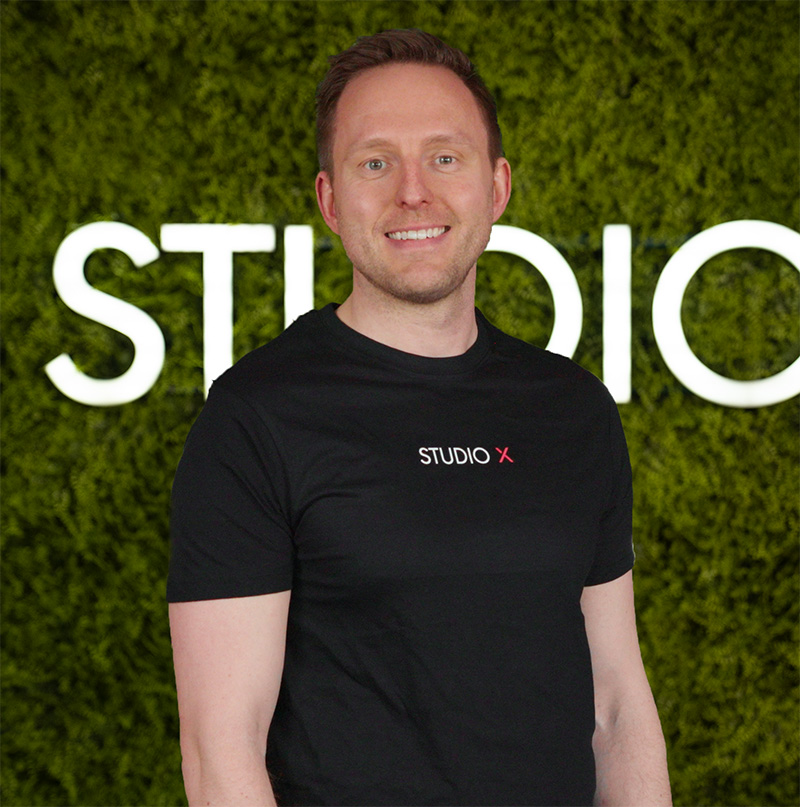
Daniel Heimstad

Daniel Heimstad

Inbound Lead Manager

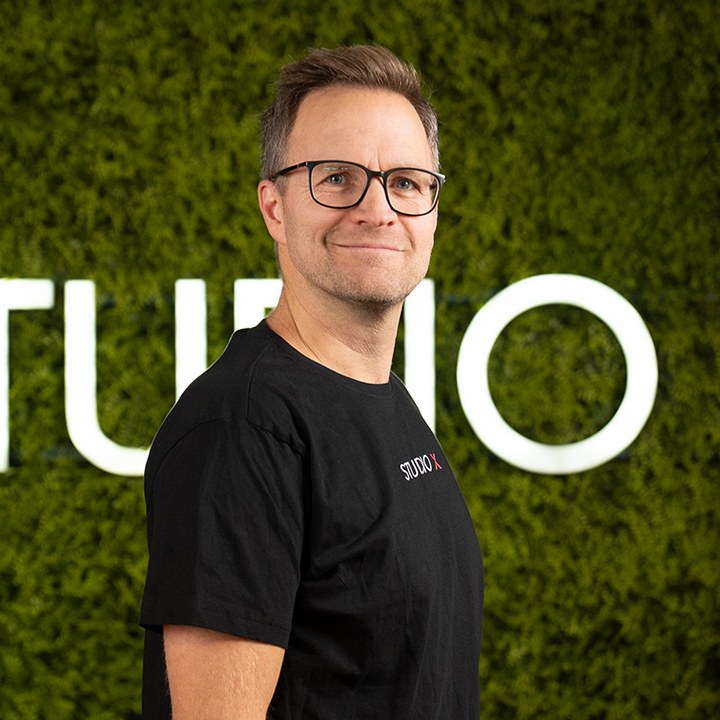
Jostein Flatin

Jostein Flatin

Daglig leder